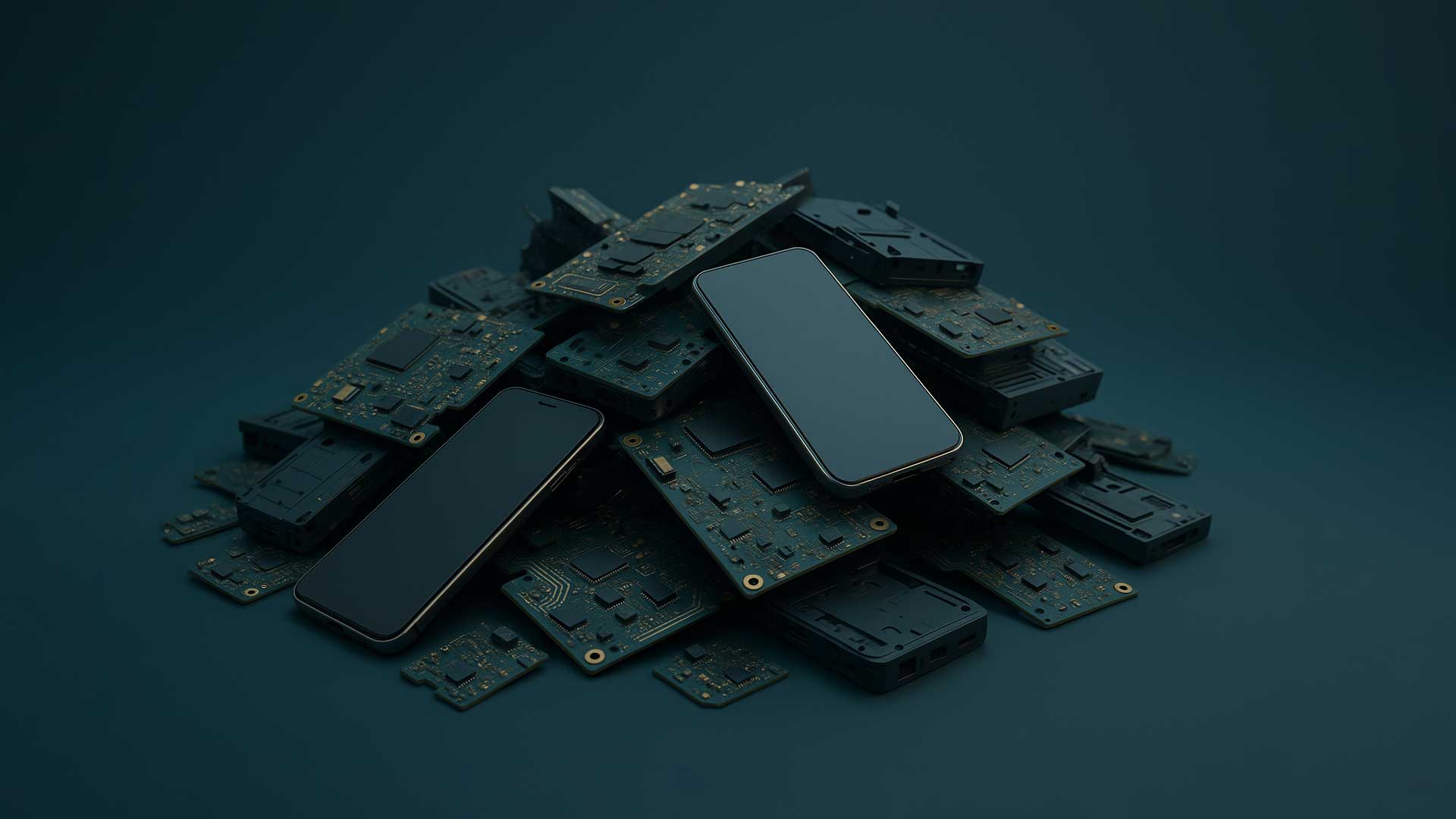
From Delhi to Lagos, São Paulo to Manila, the world’s e-waste trade is booming. Every year, millions of tonnes of discarded phones, servers, appliances, and circuit boards are piled into trucks, sorted in warehouses, and stripped for value. Workers burn plastics, melt boards in makeshift furnaces, and sift metals from ash, all for meagre pay, and often at immense human and environmental cost.
This is the dirty truth behind the global e-waste industry: while the headlines celebrate “recycling,” the reality is often informal, dangerous, and unsustainable. And it’s a story that matters not just for the communities living with toxic exposure, but for the future of digital infrastructure worldwide.
As catastrophic as this might sound, there is a solution, and it doesn’t mean we need to stop recycling.
In 2022, the world generated over 60 million tonnes of e-waste, which is an 82% increase since 2010. By some estimates, the figure is climbing by an additional 2 million tonnes every year. Smartphones, laptops, televisions, EV batteries, servers, and countless devices are ending their first life with nowhere safe to go.
Countries like India, now the third-largest producer of e-waste, illustrate both the opportunity and the crisis. Nearly 1.75 million tonnes of electronics were discarded there in 2024, but 95% of recycling is still handled informally. That means workers dismantle TVs and computers with hammers and open flames, earning only a few dollars per day, while risking burns, lung disease, and long-term toxicity.
Similar informal markets exist across Africa, Southeast Asia, and Latin America, which absorb both domestically generated e-waste and shipments imported legally or illegally from wealthier countries. It is a system that extracts short-term profit while leaving behind long-term damage.
The harsh truth is that this informal recycling persists because it is cheap. Small traders and family-run workshops avoid taxes, regulations, and safety standards, making them more competitive than formal recyclers. At the same time, formal facilities often struggle to cover operating costs, especially when the price of recovered metals fluctuates.
The result is a global paradox: we are surrounded by what effectively amounts to urban mines of gold, copper, cobalt, and rare earths, but we rely on unsafe, inefficient methods to extract them.
The flaws of the e-waste economy go beyond human suffering. For global technology companies, the current system is economically shortsighted. A tonne of discarded smartphones contains 300 times more gold than a tonne of mined ore. Yet most of this value is wasted.
Instead of building secure, domestic loops of critical minerals, nations ship e-waste abroad, or allow it to vanish into informal networks. In doing so, they surrender strategic resources, deepen dependence on volatile suppliers, and weaken their ability to meet circular economy and climate goals.
At Orivium, we are building a better way: regenerative mining.
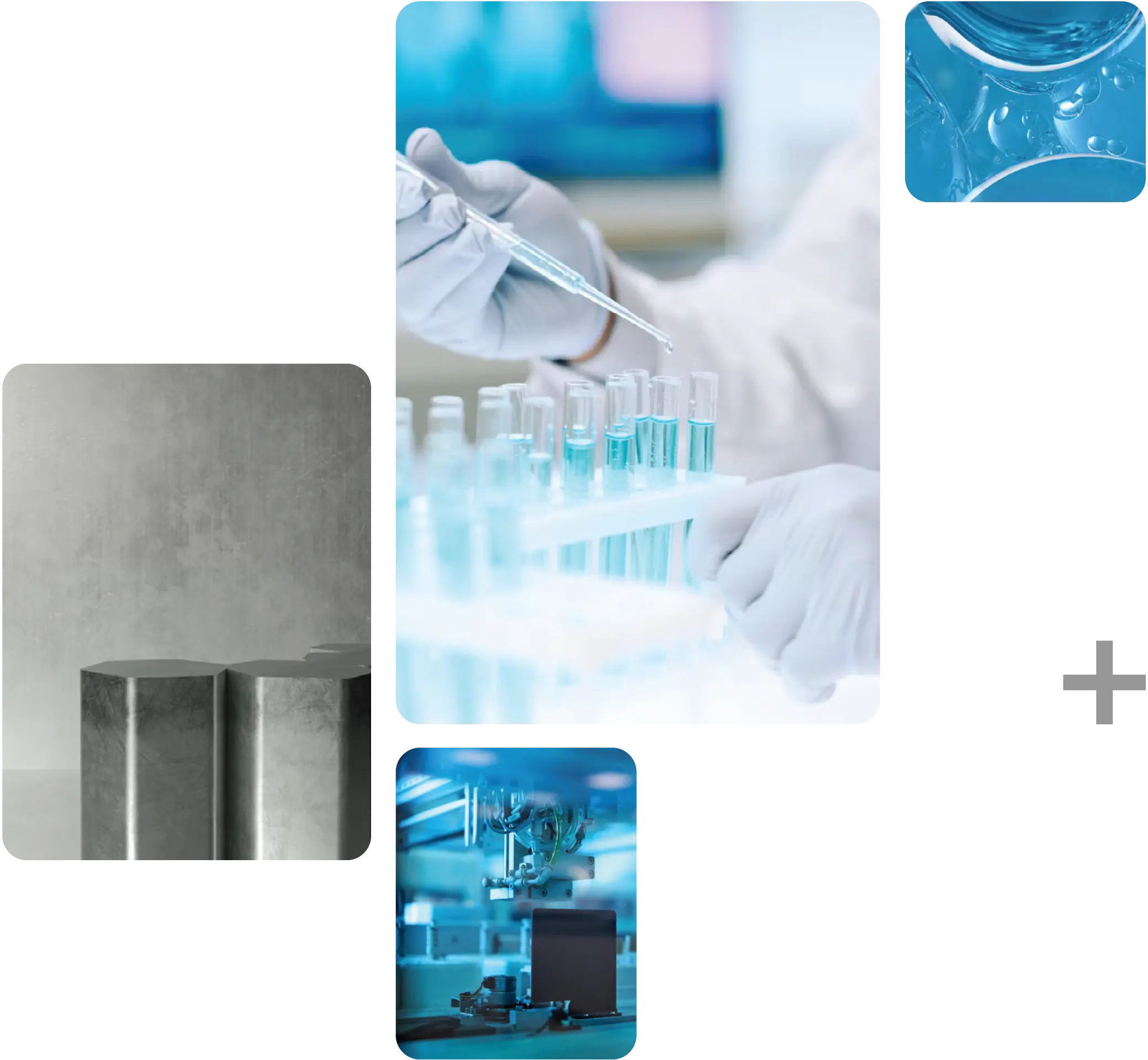
This approach treats metals not as disposable commodities, but as perpetual assets that can be recovered, reused, and redeployed across countless lifecycles. Instead of hammers, fires, and smoke, regenerative mining uses advanced, ambient-temperature liquid processes to extract valuable metals without toxic chemicals or high energy costs.
Our technology can unlock copper, cobalt, lithium, palladium, and rare earths from complex waste streams, of up to 100 times faster than traditional methods. That means the very materials now wasted or burned can instead be returned to circulation, fuelling the next generation of digital infrastructure.
The case for regenerative mining is not just moral—it is strategic:
Governments must set the policy framework of enforcing existing e-waste laws, incentivising closed-loop flows, and penalising non-compliance. Businesses must step up by investing in end-of-life logistics, modular design, and circular supply chains that make perpetual use of metals possible.
The informal e-waste economy has survived for decades because it is profitable for a few. But it cannot be the foundation of a sustainable digital future.
As data centres, EVs, and consumer electronics continue to multiply, the world faces a stark choice:
At Orivium, we see the answer clearly. The resources we need are already circulating in our economies, embedded in our phones, servers, and devices. With the right vision and the right technologies, we can recover them safely, cleanly, and profitably.
Discover more stories, breakthroughs and expert perspectives on resource innovation and sustainability.